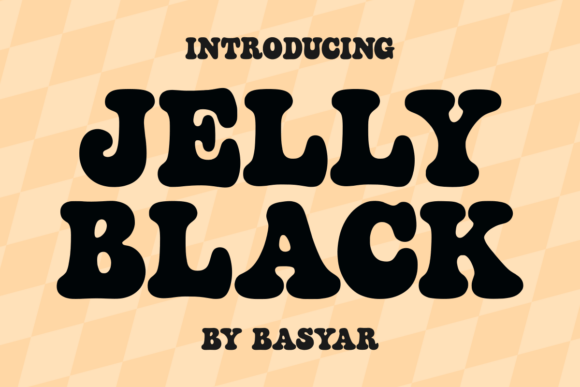
Jelly Black Font Review
Opening a fresh brand board for a local bakery’s rebrand, I knew I needed a font that could capture the playful essence of their new identity. Jelly Black was the first typeface I tried on the logo concept—its bubbly, rounded edges and thick structure immediately gave the design a friendly, approachable vibe. It wasn’t just about aesthetics; it was about creating a visual language that matched the bakery’s personality.
Jelly Black for Bakery Branding and Product Packaging
Jelly Black shines in bakery branding where boldness and charm are key. On packaging mockups, it adds a whimsical touch that feels both modern and nostalgic. The thick strokes make it stand out on product labels, while the rounded shapes keep it from feeling too aggressive. It’s perfect for short phrases like “Fresh Baked Daily” or “Handmade with Love.”
When paired with a clean sans serif for body text, it creates a balanced contrast that keeps the design from becoming too playful. This font works best as a headline or accent font rather than a body type, but its versatility makes it a valuable addition to any creative toolkit.
Jelly Black for Social Media Graphics and Web Headers
Testing Jelly Black on social media layouts revealed its strength in capturing attention. On Instagram posts and Facebook banners, it commands visual space without overwhelming the message. Its boldness makes it ideal for headlines, callouts, or featured content. On a website header, it adds a sense of energy and fun that can elevate a brand’s online presence.
However, it’s important to consider legibility at smaller sizes. While it works well in large formats, using it in captions or footnotes might reduce readability. For web use, ensure it’s paired with a complementary font to maintain clarity and hierarchy.
Jelly Black for Children’s Designs and Editorial Layouts
For children’s books or educational materials, Jelly Black brings a sense of joy and curiosity. Its rounded forms feel safe and inviting, making it a great choice for titles or headings. In editorial layouts, it can be used sparingly to highlight key sections or add a decorative element without disrupting the flow of content.
Its playful nature also makes it suitable for themed projects, such as birthday invitations or kids’ event flyers. But again, it’s best used in short bursts rather than long blocks of text. When used correctly, it can transform a simple layout into something memorable and engaging.
Jelly Black for Logo Design and Brand Identity Systems
In logo design, Jelly Black offers a unique blend of boldness and softness. It’s ideal for brands that want to convey a sense of fun without sacrificing professionalism. On a business card, it adds a distinctive flair that sets the brand apart from competitors.
When building a brand identity system, it’s helpful to test Jelly Black across different mediums—print, digital, and signage. Its thick structure holds up well in large formats, but it may lose some detail when scaled down. Always review how it looks on physical samples before finalizing the design.
Jelly Black for Display and Commercial Typography
Jelly Black is a premium display font that excels in commercial typography. Its thick, rounded style makes it stand out in posters, signage, and advertising materials. It’s particularly effective in retail environments where visual impact is crucial.
For designers working on commercial projects, it’s worth checking the font’s licensing terms. Make sure it’s available for use in client work, especially if it will be included in templates, merchandise, or print-on-demand products. Proper licensing ensures that the font can be used legally and without complications.